| Status: | Active, open to new members |
| When: | Monthly on Tuesday mornings First Tuesday of the month at 10:30 |
| Venue: | Venue varies (Please contact the Group Organiser) |
The Natural History Group meets in a range of outdoor locations, some local to Exmouth and others a bit further afield. The visits for the year are decided at an annual planning meeting in January.
We visit nature reserves and other places of interest to explore habitats and learn about the needs of different species of plants and animals. There is very often a guided tour or talk given by a site expert who explains the ecology of the site and may explain the conservation programmes and management regimes being implemented.
The group often finishes off the morning with a snack or lunch in a nearby pub or cafe.
Here’s a taster of some of our activities (click on a heading for more detail)
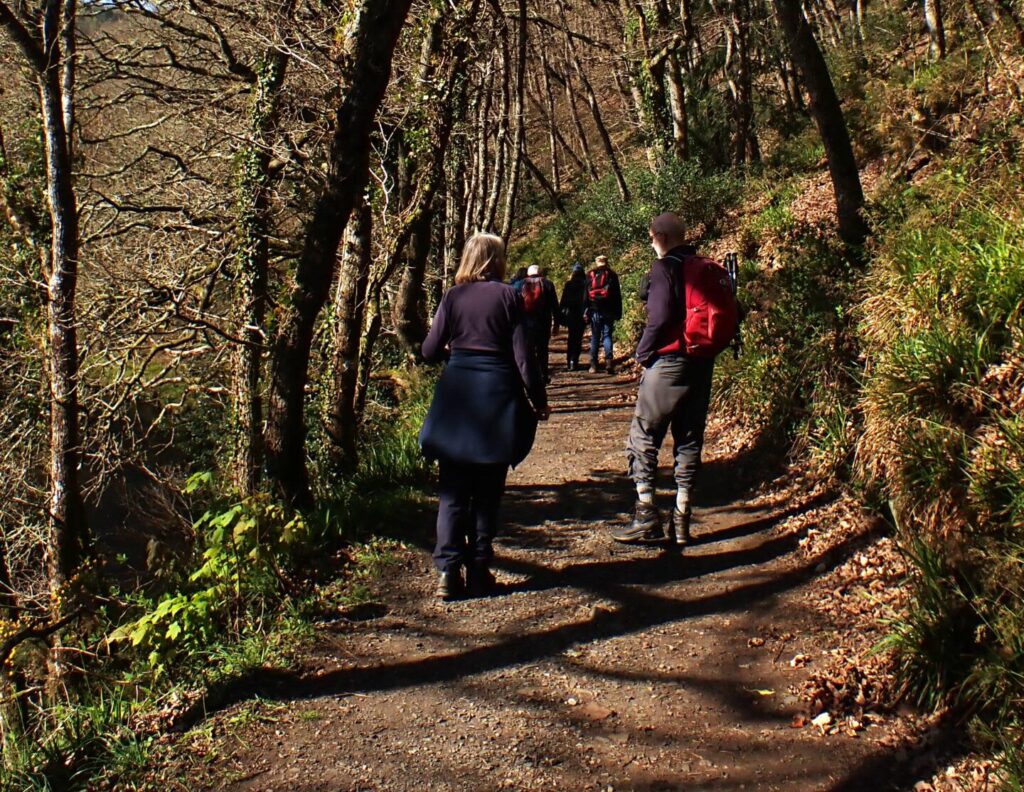
We usually have at least one visit to Dartmoor over the course of a year. The most recent was a spring visit to The Teign Gorge where we enjoyed a circular walk along the river banks spotting several butterfly species and oil beetles. The geologist in our group explained how the gorge was formed and others updated us on the National Trust’s current management approach. Several of us took the opportunity to round off the morning with lunch at the Fingle Bridge Inn while others had a picnic by the river.
Seaton Wetlands is a popular trip for the keen birdwatchers in the group, often including a guided walk given by a staff member with lots of information and anecdotes to share.
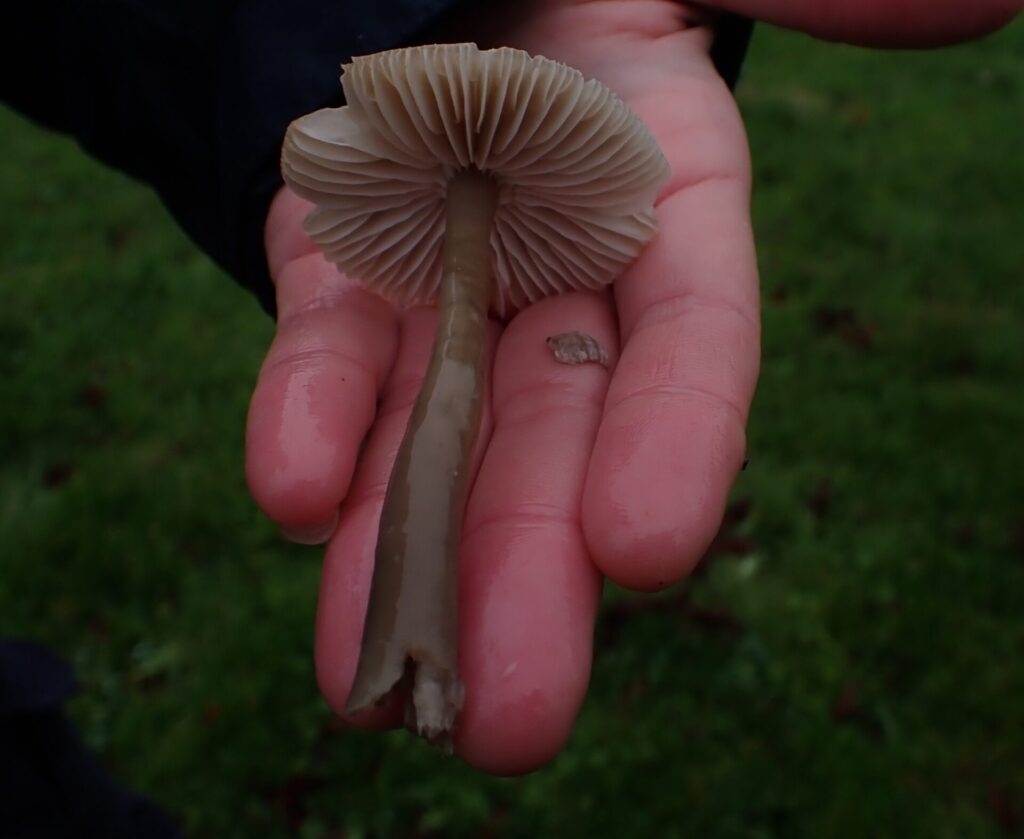
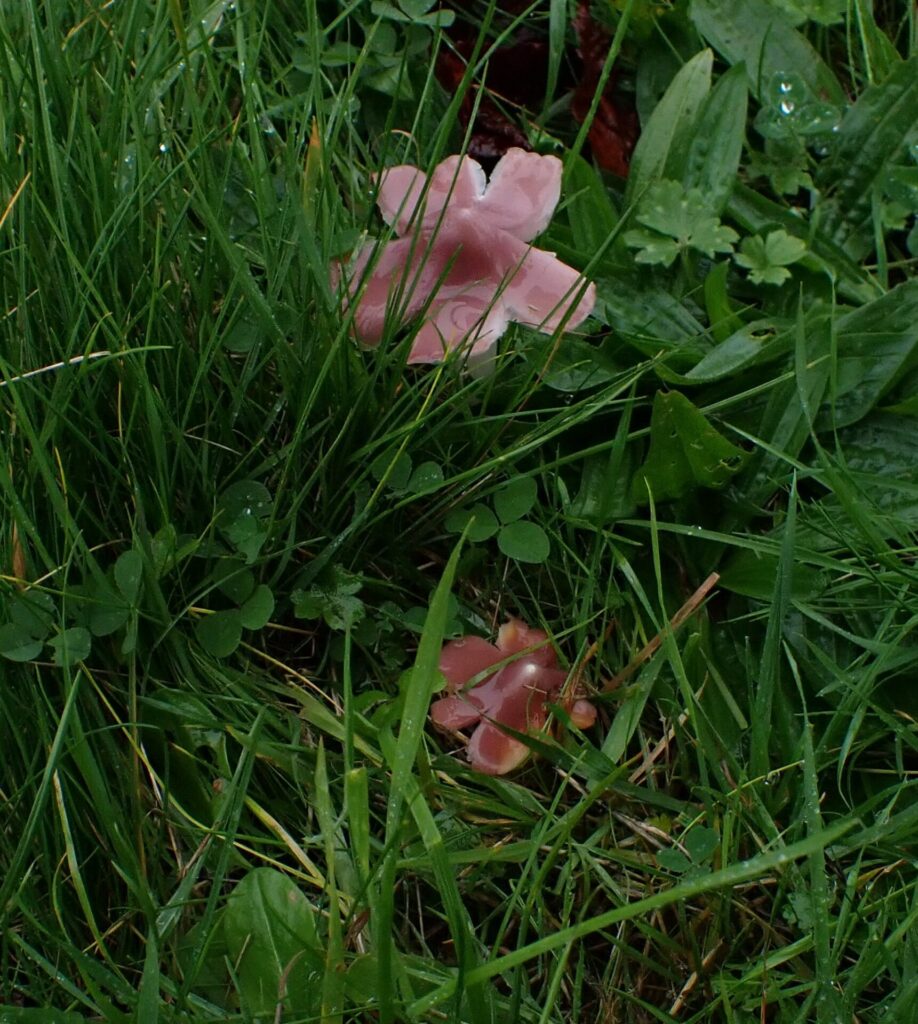
There have been several guided tree walks around Sidmouth over the years, usually led by experts from Sidmouth Arboretum. We’ve also visited the Donkey Sanctuary more than once where the very knowledgeable and enthusiastic ecology officer has taken us to fields which are a haven for colourful waxcap mushrooms, because they’ve never been treated with artificial fertilisers. We do occasionally try fungus forays on our own but that is a lot more challenging without the expertise. We have used cards and identification books to guide us in the right direction and hopefully we learn a little bit more each time.
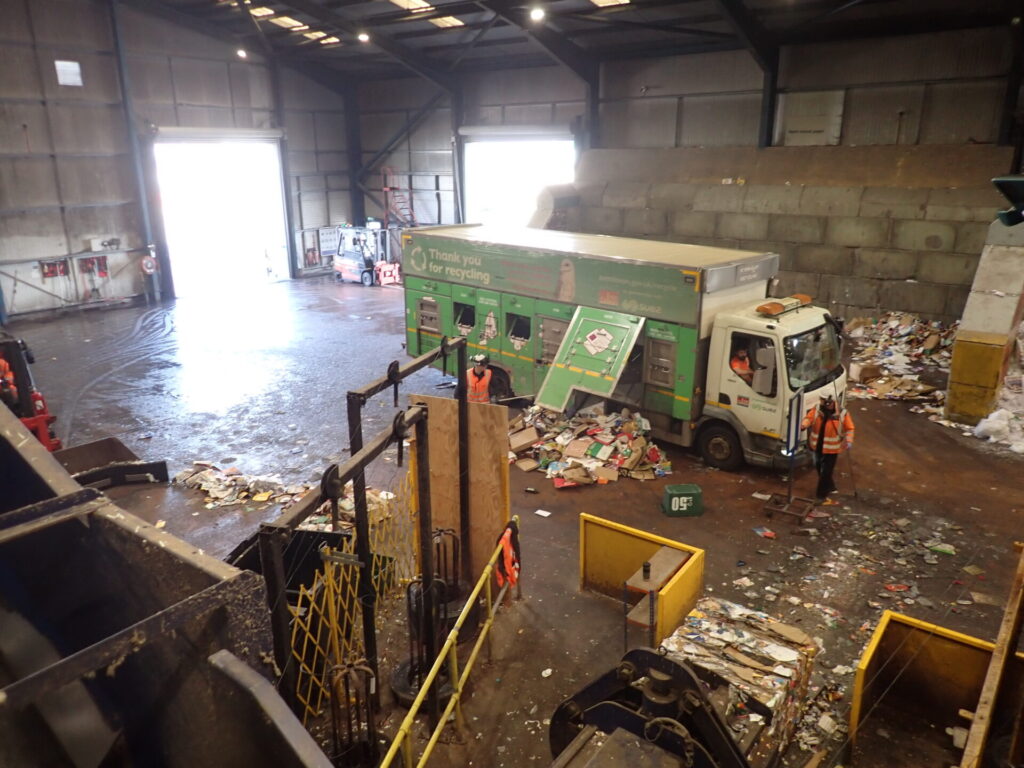
A recent unusual event was a trip to the waste management facility and municipal compost sites in the Greendale and Hill Barton areas – messy but fascinating, seeing what goes on after the trucks have taken our surplus material away, and the staff were very inspiring.
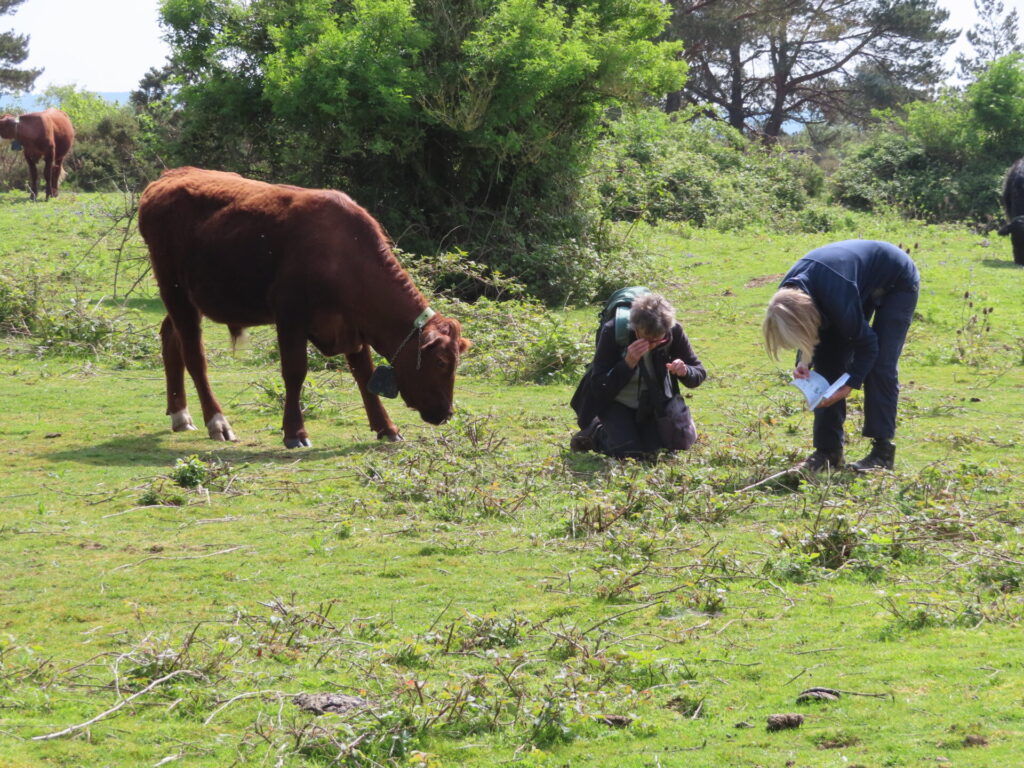
Closer to home Bystock Pools is always a favourite place to visit, and recently we walked around part of Aylesbeare Common. Lowland heath is an extremely rare habitat and there was plenty of opportunity to enjoy typical heathland plants such as heath violet, lousewort and the tiny leaves of the insectivorous sundew with their sticky glandular hairs which trap unsuspecting insects. We met some of the site’s very efficient ‘volunteers’ – ponies and cattle who graze down tough vegetation, trample dense scrub, and create varied microhabitats through hoof disturbance, opening up niches for rare wildflowers, butterflies and birds to thrive. We had no luck when it came to spotting the site’s star bird - the Dartford Warbler – but we did enjoy birdsong and bluebells in the shaded woodland at the edge of the common.
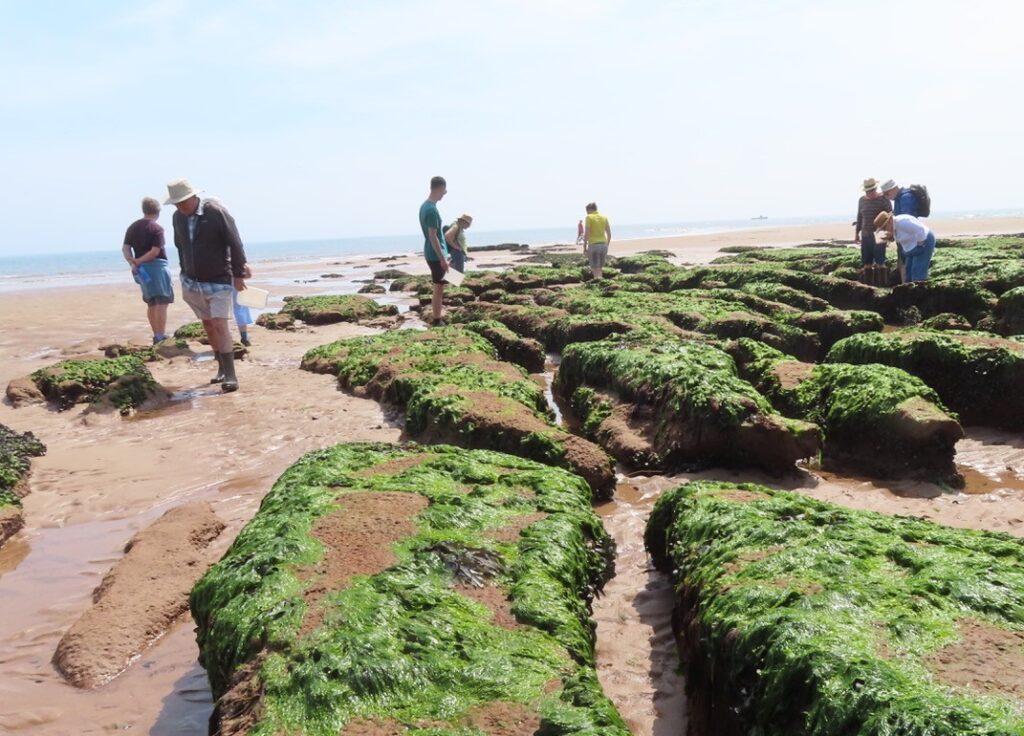
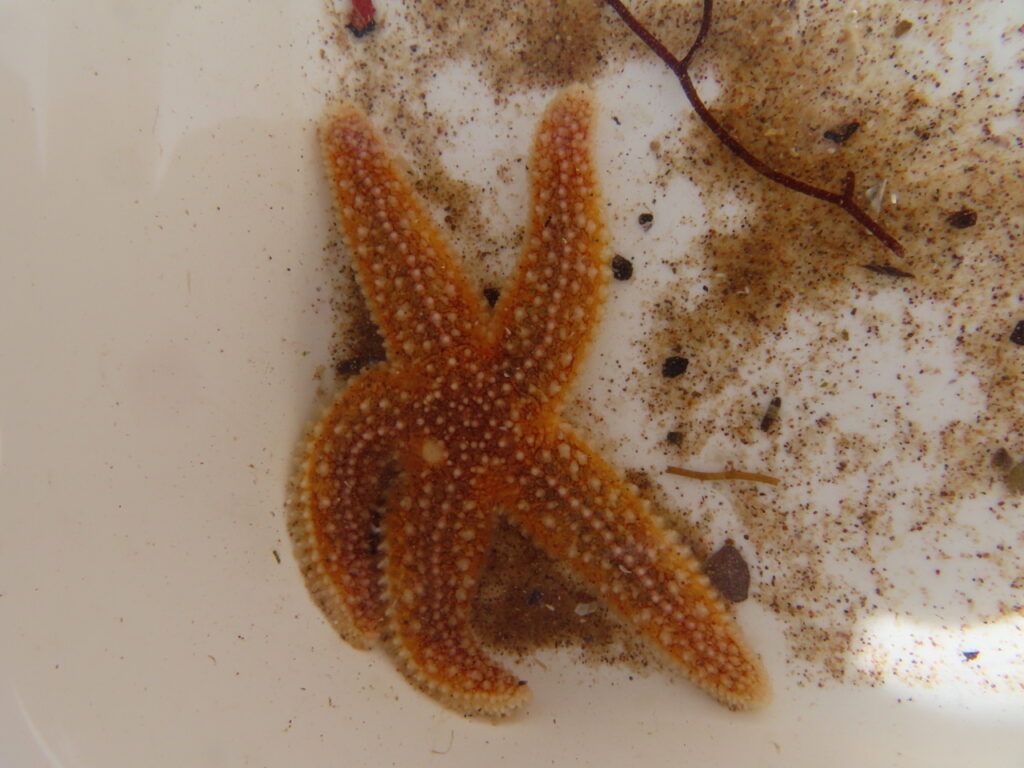
An activity which took most of us right back to our childhood was exploring the rockpools on Exmouth beach with Coral Smith from DWT's Wembury Marine Centre. It’s amazing what can be seen when you slow down and have a good look. There were starfish, shrimps and sea anemone in the pools, while dog whelks and their eggs were pointed out to us on the rocks. Hermit crabs were seen rolling at the sea’s edge … and much more. We learned that what we think are dead crabs on the beach are often the carapace’s shed by crabs as they grow. Apparently, you can tell if it really is a dead crab by smelling it!
... and some sample pictures from our trips